
You can never be too certain when it comes to accounting. Always double-check your work. Go slow. Don’t rush through it. Especially when you’re juggling multiple clients or working through busy seasons — stress can creep in and push you to move faster just to get things done. That’s when mistakes start slipping through.
And while it’s okay to make an error now and then — after all, we’re only human — the time it takes to trace back and fix it can be exhausting. One accounting lesson I’ve learned offering bookkeeping, payroll, and tax services in Toronto is to never rush through the books. Take your time to review your entries, reconcile accounts properly, and trust that accuracy always beats speed in the long run.
At Markham Bookkeeping, we’ve seen firsthand how small oversights can snowball into bigger issues — from missed expenses to misreported income. So let’s walk through some of the most common accounting errors to watch out for, and how to avoid them before they cost you valuable time and money.
Common Accounting & Bookkeeping Errors to Watch Out For
Entering Transactions in the Wrong Account or Wrong Period
This is a simple one — and while it’s usually easy to fix, it’s always best to avoid it in the first place. A good rule of thumb is to revisit the entire transaction you just created and make sure everything looks right: the date is correct, it’s recorded in the right account, and while you’re at it, ensure all supporting documents are attached. That’s good bookkeeping. It may take a few extra minutes now, but it can save you hours during year-end audits when auditors start asking for more details.
Just because you remember the story behind a transaction today doesn’t mean you’ll remember it months later. So make sure every relevant email, receipt, and piece of documentation gets saved and linked to that entry. Future-you will thank you.
Transposing Numbers (e.g., typing $954 instead of $594)
A classic textbook accounting error — your professor probably loved lecturing on this one. And honestly, we’ve all been there, done that. So don’t beat yourself up over it. A transposition error happens when two digits are accidentally reversed during data entry — for example, typing $954 instead of $594. It may sound minor, but when you’re dealing with reconciliations, it can throw your books off balance by exactly the difference between those digits.Double-checking your work usually helps catch these, but here’s the thing — some transposed numbers are tricky and can slip right through, especially when you’re tired or under pressure. What your professor might not have mentioned (and what I’ve learned through experience) is that good lighting and proper vision matter more than you’d think. Always work on a well-lit screen, and if you need glasses, wear them. Straining your eyes makes it much easier for small visual mistakes to creep in — and those little slips can cause a big headache later.
Forgetting to Record Small Cash Transactions
Accounting is a lot like driving through a scenic route — full of hills and mountains of varying heights. It’s easy to get so focused on the K2s and Everests of your work — the big reconciliations, payroll runs, or tax filings — that you lose sight of the smaller hills you still need to maneuver.
A simple cash transaction, like a $200 advance to a contractor, is easy to overlook. But good bookkeeping is all about habits. Getting quick email approvals, saving copies of cash receipts, and having them signed off by the contractor can go a long way toward keeping your records accurate. Don’t lose track of the small hills — they’re part of the same journey, and missing one can throw off your entire trail when it’s time to reconcile.
Duplicating Entries During Data Import
This is one that can challenge even the pros. Handling duplicate entries isn’t just about bookkeeping skills — it requires a solid understanding of the technology behind the data tools you use. With time and practice, you start learning the little tricks that make all the difference.
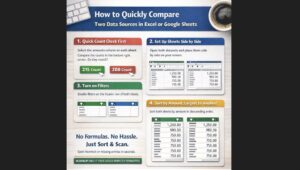
Whether you’re working in Excel, Google Sheets, Power BI, Tableau, or another platform, each has its strengths and quirks. Using built-in features like filters, sorting options, and conditional formatting (try sorting from smallest to largest or A–Z to spot patterns) can help isolate and remove duplicate entries quickly. Many tools also include “remove duplicates” or “unique records only” functions — simple, but incredibly effective when used consistently.
Of course, that’s just the tip of the iceberg. As your data analysis needs grow, learning a bit of Python can make your life much easier. Libraries like Pandas, NumPy, and OpenPyXL let you clean, merge, and analyze large datasets with precision and speed — helping you eliminate duplicates before they even hit your books.
Recording Personal Expenses as Business Expenses (or Vice Versa)
Who cares about a small personal expense made on the company card, right?
Bad news — the CRA cares. And I’ve seen far too many cases where business owners or partners didn’t think it through and ended up paying the price in hefty penalties.
But beyond compliance, it’s also just bad bookkeeping practice. It clouds your financial picture, makes budgeting and tax planning harder, and eats up hours during year-end cleanup. Even worse, it can raise red flags during audits — auditors tend to dig deeper when they see personal spending in business accounts.
And let’s be honest — it’s not always the business owner’s fault. Many times, it’s the accountant or bookkeeper who didn’t take the time to explain the repercussions clearly. Part of good bookkeeping is guiding clients to keep those lines clean: business is business, personal is personal. The clearer that boundary, the more accurate your financials — and the easier your life come tax season.
Misclassifying Capital Purchases as Regular Expenses
Imagine buying a $60,000 piece of equipment and expensing it all in the same year.
“Yay — no taxes to pay this year!” Right?
Umm… wrong again.
This is where accounting and compliance draw their lines. You can record things however you want in your internal books, but if those entries don’t align with what the CRA considers proper treatment, you’ll eventually have to redo everything — and that’s never fun.
So do yourself a favor: review what qualifies as an expense versus what must be capitalized. As a rule of thumb, any purchase that provides benefit over multiple years — like equipment, vehicles, furniture, or computers — should be treated as a capital asset, not an expense. Instead of deducting it all at once, you claim it gradually through Capital Cost Allowance (CCA), spreading the cost over its useful life.
Getting this right ensures your books reflect the true financial position of your business — and saves you a lot of backtracking (and stress) later on.
Not Reconciling Accounts Regularly
This one’s often overlooked — and for a few understandable reasons. Reconciliation can feel messy and complicated. It’s where all the errors we’ve talked about — wrong entries, missed receipts, duplicate transactions — come back to stare you in the face. No wonder so many bookkeepers try to avoid it at all costs.
I don’t blame them. When the foundation of a company’s bookkeeping is weak, reconciliation becomes a nightmare. You don’t know where to start fixing things. But this is where your true bookkeeping skills are tested. Even many CPAs struggle when their reconciliations don’t line up — and if I see someone using endless journal entries just to “make the books balance,” that’s not good bookkeeping. It’s patchwork. And patchwork leads to missed ITC claims, improperly recorded expenses, and financial statements that paint a misleading picture of the company’s health.
A good rule of thumb — especially if you’re just starting out — is to reconcile early and reconcile often. Catching issues in real time is always easier than untangling them months later.
And hey, if things do get out of hand, there’s still help. Markham Bookkeeping is the go-to GTA bookkeeping resource — here to clean up your books, fix reconciliation issues, and get you back on the path to financial clarity and success.